Pritzker keeps Illinois out of Trump's federal school voucher tax credit
written by Updated November 25, 2026
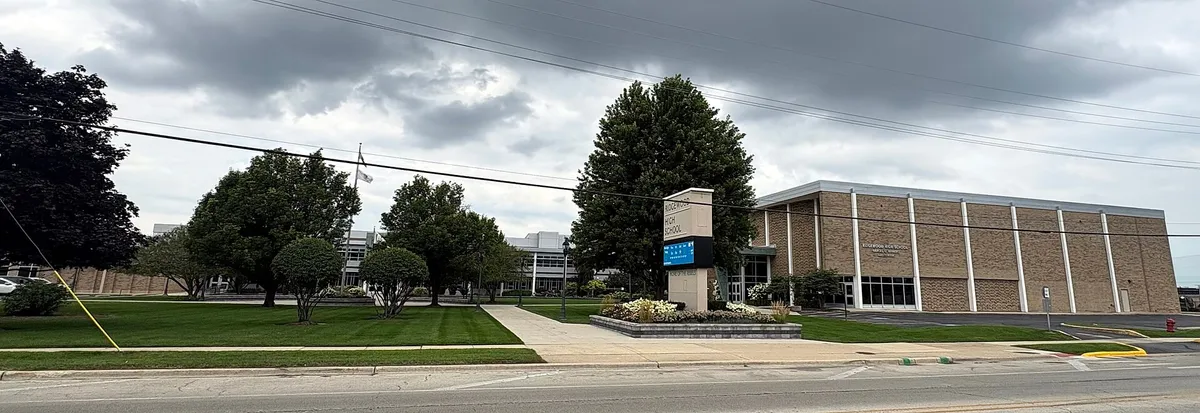
Illinois will not join the Trump administration's federal school voucher program, Gov. JB Pritzker announced on Tuesday, Nov. 24, saying the state should not pull money out of public schools to pay for private education.
Public schools in Illinois enroll 1.8 million students, and the governor's office said opting in would have left the state with no certainty of resources for them.
Leaders of Community Organizing and Family Issues said public schools serve 90 percent of Illinois students.
At issue is the Federal Scholarship Tax Credit. In the governor's announcement, his office said the program was created "to lure states into allowing individual donors to benefit from contributions to Scholarship Granting Organizations (SGOs)."
Public schools could potentially draw on funding and services from those organizations, the office acknowledged.
Families earning up to three times their area's median income could qualify for the scholarships. Because of that ceiling, the governor's office said, the children who gain most would not come from under-resourced households.
Pritzker's office put the cost at $2.7 billion to $6.1 billion a year in diverted federal revenue. Ralph Martire, who leads the Center for Tax and Budget Accountability, cited a bigger national figure. "The Trump Administration estimates it’ll cost around $26 billion per year by 2030, making it the largest federal expenditure on education," he said.
States that join cannot hold the scholarship groups to stricter requirements than the federal law, H.R. 1, sets. Nor can they limit which kinds of schools benefit or narrow what the money pays for, the governor's office said.
Pritzker objected to those terms. In his words, "Taxpayer funding should not subsidize donations to private schools that could discriminate based on religion, sexual orientation, or other characteristics."
Becky Simon, who heads the League of Women Voters of Illinois, said the rules would not let Pritzker impose "even basic quality and safety standards" on private schools that take vouchers.
Karen Tamley, who leads Access Living, raised the case of students with disabilities. "School voucher programs do not provide students with disabilities with the educational legal protections they are guaranteed under federal law," she said.
Supporters lined up behind the decision. State Superintendent of Education Tony Sanders said the federal government should be "strengthening public schools, not using scarce resources to promote school choice."
"Public money should stay in public schools – period. We are thrilled Gov. JB Pritzker agrees," said Karl Goeke, who heads the Illinois Education Association. He added that the union will keep working with the governor on school funding.
State Sen. Meg Loughran Cappel, a Democrat from Shorewood, said the decision came after talks with people on both the public and private sides of education.
Pritzker's office pointed to more than $2.5 billion in targeted investments in evidence-based funding and other programs since he took office.
His "Day One Agenda" for the new Congress in 2027 carries nearly 200 proposals, among them bringing back the federal Department of Education and restarting federal oversight of special education.